
Contemplative Practice
Spiritual activities that open us to be transformed by a power higher than ourselves.
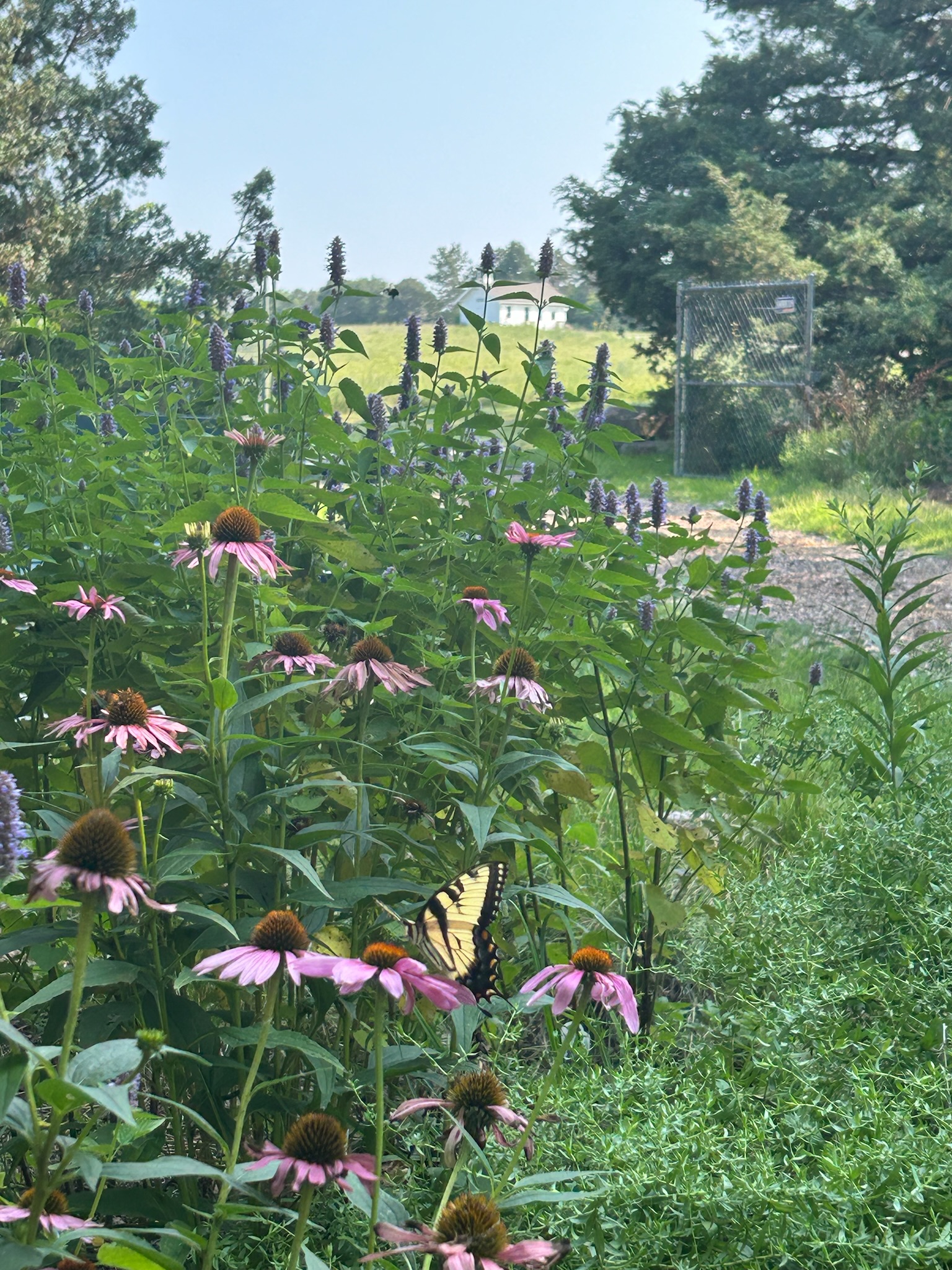
Practice is mostly a matter of staying long enough to notice.
Contemplative practices are, in essence, spiritual activities that open us up to be transformed by a power higher than ourselves, and open one to an experience of that higher power. In the contemplative Christian tradition, in contemplative practices we consent to the transforming power of the Divine. Contemplative practices have diverse expressions across a variety of traditions and religious backgrounds, and no single definition can fully capture their spectrum.
Silence is God’s first language; everything else is a poor translation.
— Thomas KeatingThrough these practices, one grows in…
- Cultivating growth in self-knowledge
- Deepening one’s relationship to God, others, and creation
- Enhancing our ability to be present in the moment
- Fostering our capacities for compassion, forgiveness, relationship, love, service, peace (inner state and way of being in the world), and justice
Our Core Practices
Centering Prayer — silent prayer, our daily anchor
Prayer Timer
A soft singing bowl marks the beginning and end. Sit, settle, consent.
About this practice & the guidelines
Centering Prayer is a method designed to facilitate the development of contemplative prayer by preparing our faculties to receive this gift. It presents ancient Christian wisdom teachings in an updated form. It is a discipline to foster a relationship with God and to move beyond conversation to communion.
The Guidelines
- Choose a sacred word as the symbol of your intention to consent to God's presence and action within.
- Sitting comfortably and with eyes closed, settle briefly and silently introduce the sacred word.
- When engaged with your thoughts,* return ever-so-gently to the sacred word.
- At the end of the prayer period, remain in silence with eyes closed for a couple of minutes.
*Thoughts include body sensations, feelings, images, and reflections.
Lectio Divina — praying the Scriptures
Texts for Practice — This Week's Revised Common Lectionary
Listen for the word or phrase that shimmers.
About this practice & the four moments
Lectio Divina, literally "divine reading," is an ancient practice of praying the Scriptures. During Lectio Divina, the practitioner listens to the text of the Bible with the "ear of the heart," as if in conversation with God, and God is suggesting the topics for discussion.
The Four Moments
- Lectio (Read) — Listen with the ear of your heart. What phrase, sentence, or word stands out? Repeat it, allowing it to settle deeply in your heart.
- Meditatio (Reflect) — Relish the words; let them resound in your heart with quiet receptiveness.
- Oratio (Respond) — Respond spontaneously — praise, thanksgiving, petition — then return to the word.
- Contemplatio (Rest) — Rest in God. Simply "be with" God's presence as you open yourself to a deeper hearing of the Word of God.
The moments can occur or reoccur in any order, following the lead of the Spirit.
The Welcoming Prayer — consent-on-the-go
The Welcoming Prayer — by Father Thomas Keating
Welcome, welcome, welcome.
I welcome everything that comes to me today
because I know it's for my healing.
I welcome all thoughts, feelings, emotions, persons,
situations, and conditions.
I let go of my desire for power and control.
I let go of my desire for affection, esteem,
approval and pleasure.
I let go of my desire for survival and security.
I let go of my desire to change any situation,
condition, person or myself.
I open to the love and presence of God and
God's action within. Amen.
About this practice & the three movements
The Welcoming Prayer is a method of consenting to God's presence and action in our physical and emotional reactions to events and situations in daily life. The purpose of the Welcoming Prayer is to deepen our relationship with God through consenting in the ordinary activities of our day — "consent-on-the-go."
The Three Movements
- Feel and sink into what you are experiencing this moment in your body.
- "Welcome" what you are experiencing this moment in your body as an opportunity to consent to the Divine Indwelling.
- Let go by saying: "I let go of my desire for security, affection, control, and embrace this moment as it is."
We do not want to be beginners. But let us be convinced of the fact that we will never be anything else but beginners, all our life!
— Thomas MertonMore Ways to Practice
Other expressions in our community include prayerful meditation on sacred texts, embodied practices such as yoga and contemplative movement, guided meditations, and shared contemplative practices such as WeSpace, drumming, or dance.